

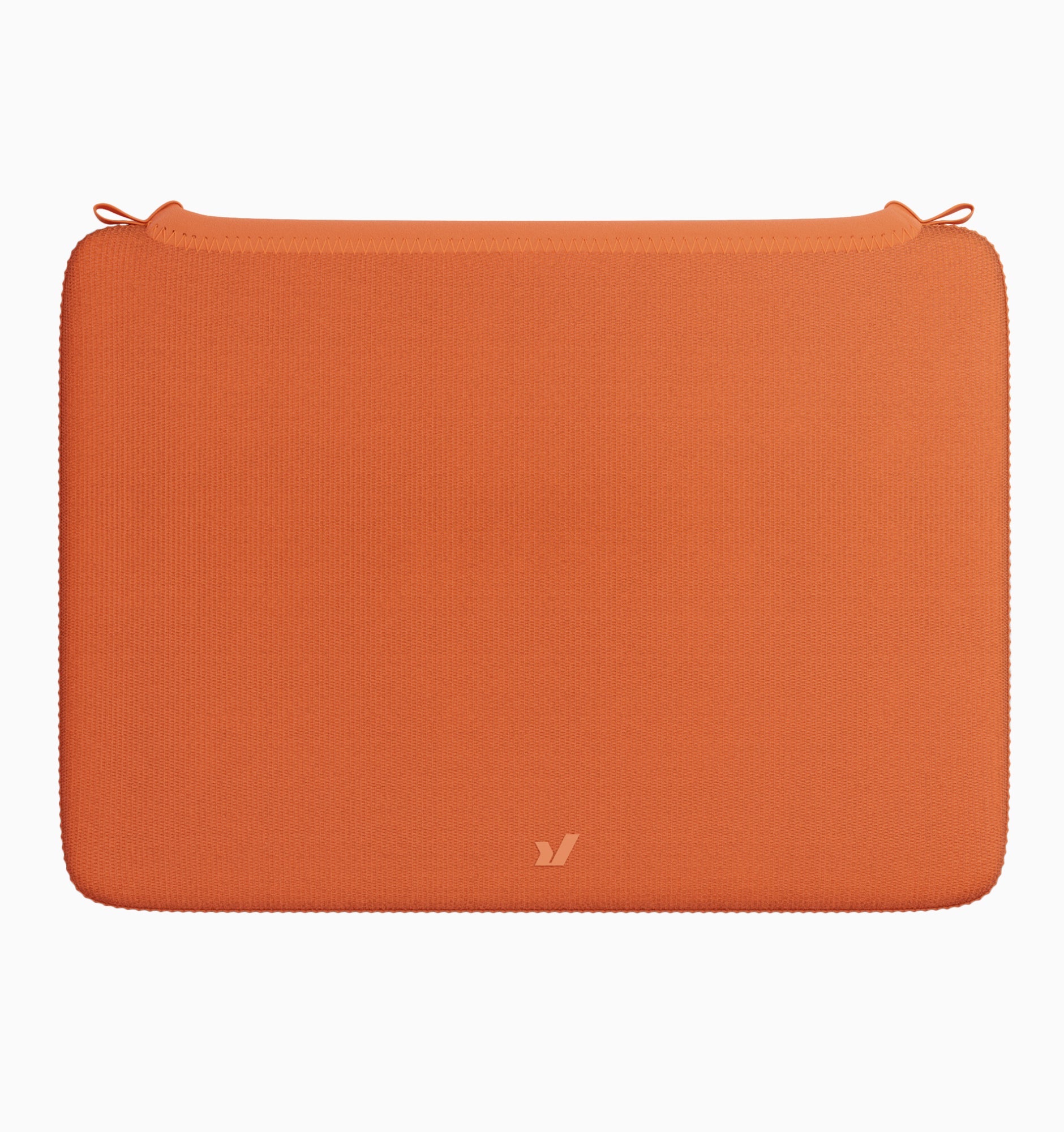

Behind the Design: Rushfaster EDC Pro Backpack
In this Behind the Design, we explore the thinking behind the Rushfaster EDC Pro Backpack 26L—from its refined pocket architecture to the idea of separating “quick thinking” from “deep work
Designed for Life Between Work and Movement
The Rushfaster EDC Pro Backpack was created for people constantly moving between different modes of life—work, cafés, travel, creative projects, commuting, and weekends away. The challenge wasn’t simply designing another laptop backpack. It was designing something adaptable enough to move seamlessly between those environments without feeling overly technical, overly minimal, or visually overbuilt.
The goal was to create a backpack that could carry laptops, tablets, accessories, and everyday essentials while still feeling intuitive and lightweight. Functional, but never weighed down by unnecessary complexity.
As Hadrien, our Product Design Director explains, the design process focused heavily on balance:
- Enough organisation without over-compartmentalisation
- Enough structure without rigidity
- Enough utility without visual clutter
- Enough adaptability to support different ways of living and working
Balancing Utility and Minimalism
The Rushfaster EDC Pro Backpack evolved from feedback on the original Rushfaster EDC Backpack. While many people appreciated the cleaner, more classic approach of the original design, others wanted more external accessibility and utility.
The challenge became integrating those functional elements while still maintaining the understated Rushfaster design language.
External pockets were carefully introduced in a way that supports accessibility without dominating the visual identity of the bag. The result is a backpack that feels functional and capable, while still remaining refined and relatively minimal in appearance.
Rather than designing pockets for highly specific use cases, the organisation system was designed to adapt to different workflows and carry styles over time.
Comfort Through Considered Construction
Because the EDC Pro Backpack is designed to carry heavier everyday loads—including laptop, tablet, chargers, and accessories—comfort became a major focus during development.
The back panel uses perforated foam and breathable mesh materials to reduce weight while improving airflow during extended carry. This helps minimise heat build-up and physical fatigue throughout longer travel or commuting days.
Small construction details also play an important role in comfort. The shoulder straps are stitched over the back panel rather than directly into the seam, allowing the straps to curve more naturally around the shoulders. This creates a more ergonomic fit, particularly when the bag is carrying heavier loads.
These details are where thoughtful design becomes noticeable in everyday use—not through obvious features, but through how the bag feels over time.
Designed Around Adaptability
A key part of the EDC Pro Backpack is adaptability. It’s designed to evolve depending on the day—whether that’s a focused work setup, a creative session, a travel companion, gym carry, or a spontaneous weekend adventure.
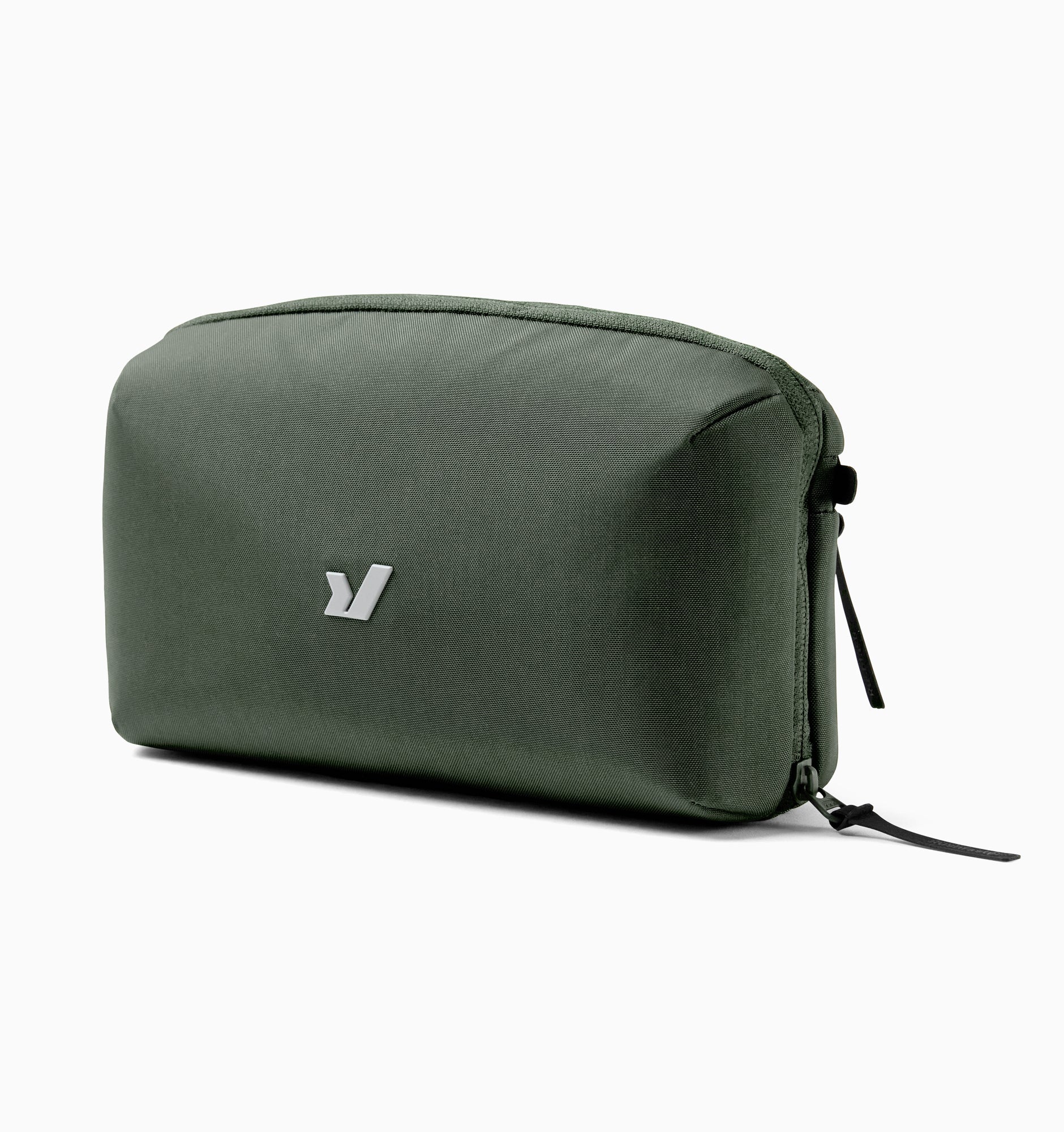
One example is the modular Rushfaster Cargo Pouch [ADD LINK]. Lightweight and packable, it can be stored inside the backpack until extra capacity is needed. When required, it quickly attaches externally to carry items like a helmet, wet clothes after a beach trip, shopping, or additional gear—adding volume without changing the core function of the bag itself.
This idea reflects a broader Rushfaster principle: products should adapt to the user, rather than forcing users into rigid systems. One of the most rewarding parts of designing products like this is seeing how different people develop their own ways of using them over time.
Quick Thinking vs Deep Work
One of the defining ideas behind the EDC Pro Backpack is the separation between “quick thinking” and “deep work”. Rather than treating organisation purely as storage, the bag is designed around different mental modes of working and creating—an approach that directly influenced its overall architecture.
“This is our way of celebrating creative thinking and supporting the natural rhythm between fast ideas and more focused, sustained work.” - Hadrien Monloup, Product Design Director
The upper and front-access areas are designed for quick interaction (mainly analogue tools). These are the things associated with movement, spontaneity, and creative flow.
- Notebooks
- Pens
- Small essentials
- Fast-access items
- Creative tools for sketching or idea capture
Meanwhile, the main compartment is designed around deep work (your digital tools). This section supports longer, more focused working sessions where setup takes more time and intention.
- Laptop
- Keyboard
- Mouse
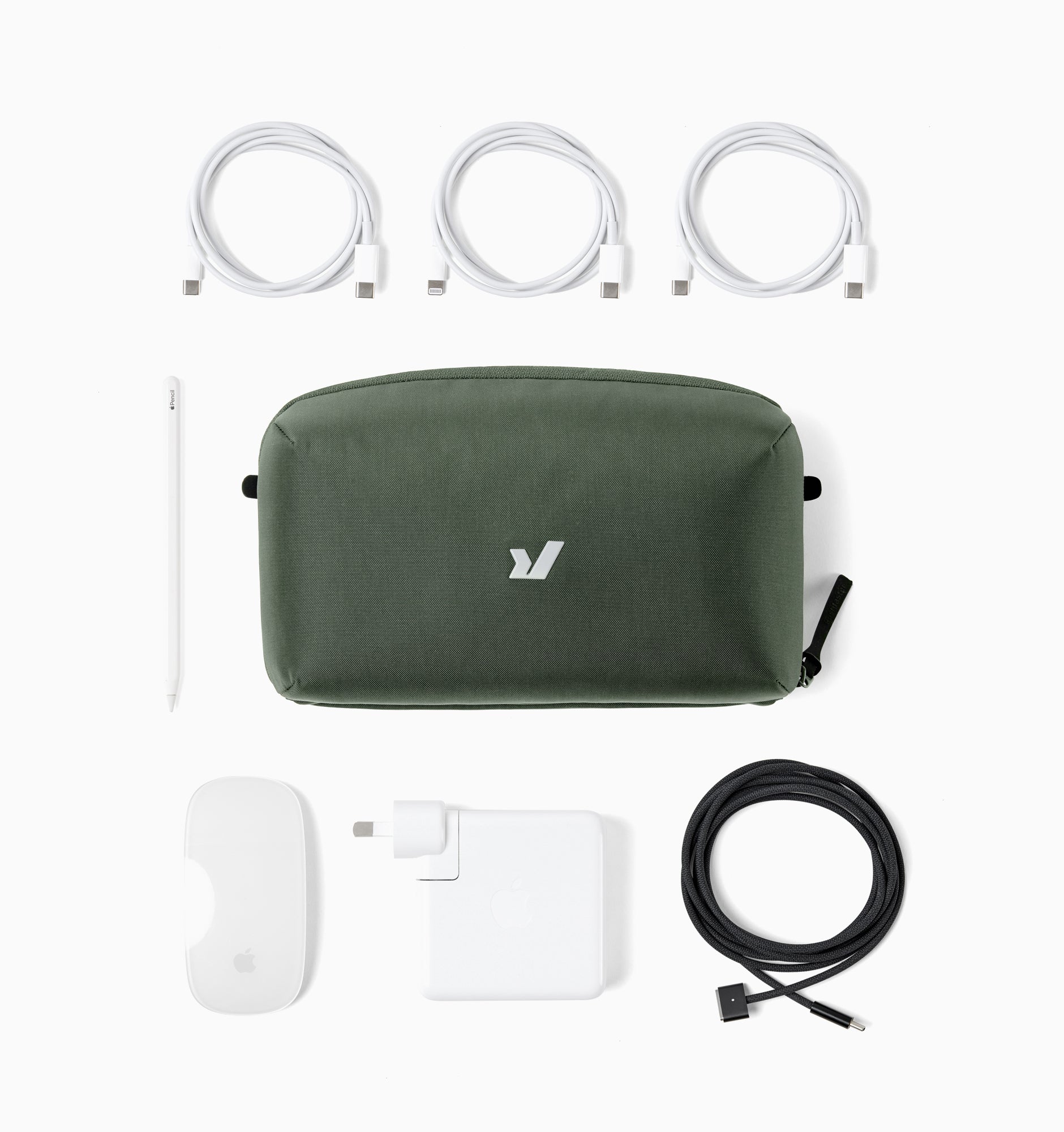
- Chargers and cables
- Larger tech accessories
Refined Details That Improve Everyday Use
Throughout the EDC Pro Backpack, many of the most important features are subtle rather than attention-grabbing. The integrated top handle improves how the bag opens and interacts when accessing the main compartment. It also makes the bag easier to hang, store, and carry over time. Small refinements like this contribute to the overall feeling of ease and durability in daily use. The goal was never to overload the product with features. Instead, every detail needed to justify its existence through usefulness, comfort, or adaptability.
Designed to Support, Not Distract
At its core, the EDC Pro Backpack is about creating a smoother relationship between people and the things they carry every day. It’s designed to support movement between work and life, structure and spontaneity, focus and creativity—without demanding attention or adding unnecessary friction. For us, that balance is where good design sits: practical, adaptable, intuitive, and quietly capable.
Watch Now
Read more
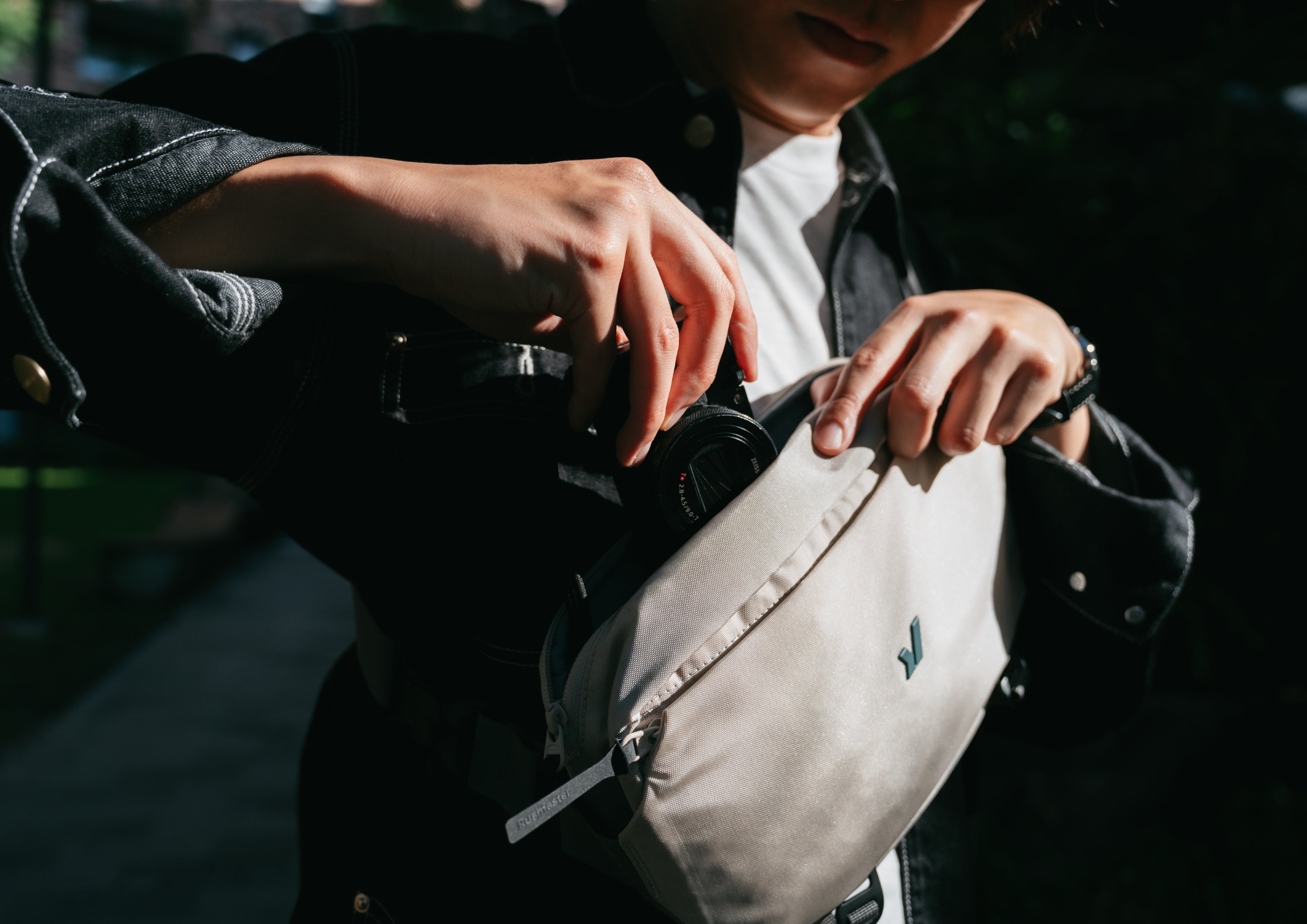
To us at Rushfaster, the EDC Sling Bag 4L represents a balance between utility, simplicity, and personal style in everyday carry. In this Behind the Design, our Product Design Director, Hadrien Mon...
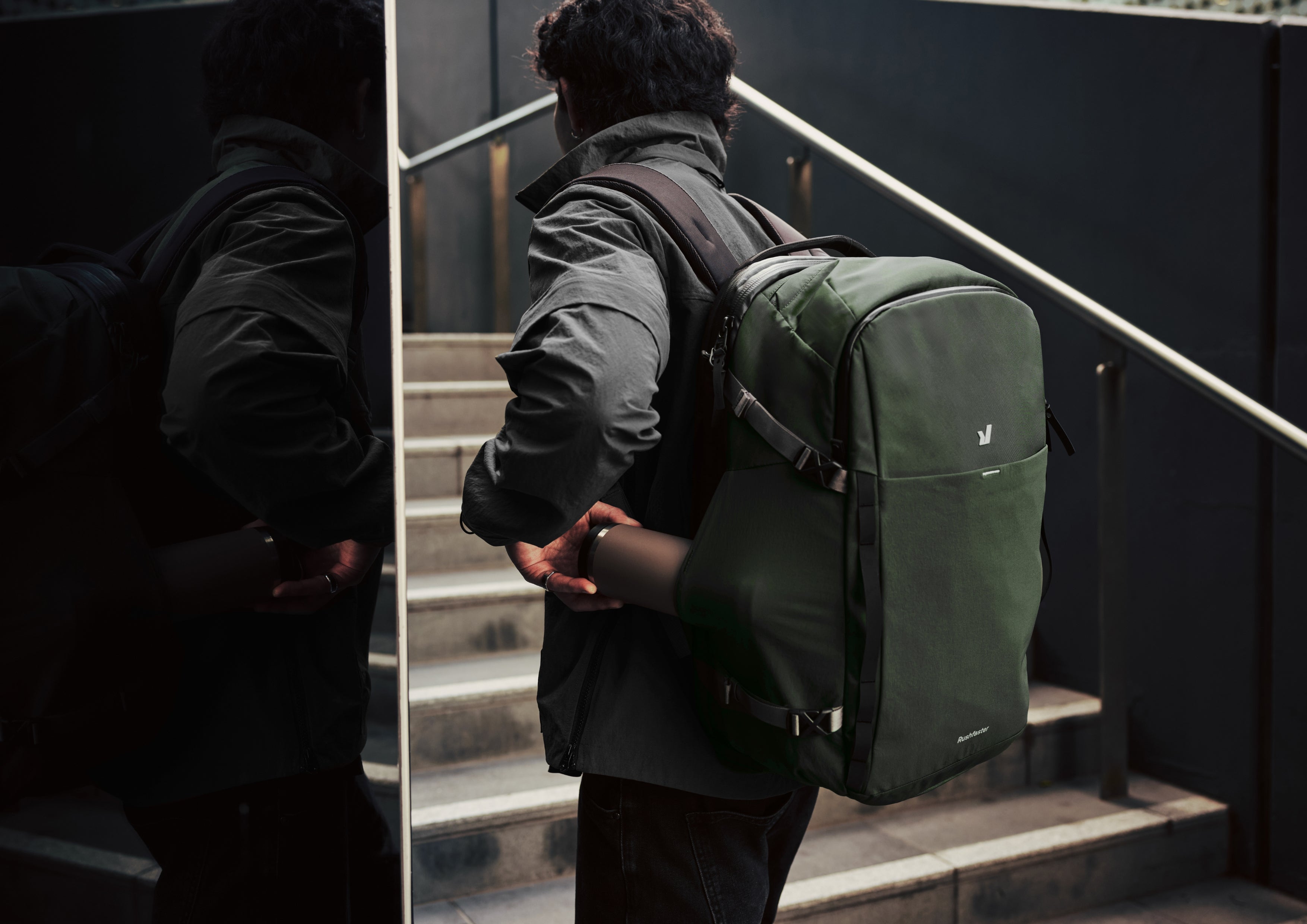
The Rushfaster Travel Backpack 36L marks the launch of our new travel system, including packing cubes and modular accessories designed for one-bag travel. This project brings together years of test...
Leave a comment
This site is protected by hCaptcha and the hCaptcha Privacy Policy and Terms of Service apply.